
Minimalist Packing Guide for a 7-Day Motorcycle Camping Trip

Minimalist Packing Guide for a 7-Day Motorcycle Camping Trip

Table of Contents
1. Why Riding Light Is More Than Just a Preference
2. Building the Right Luggage Setup
3. Clothing: The Lean Layering System
4. Camping Gear: Compact and Capable
5. Tools, Safety, and First Aid
6. Food, Water, and Navigation
7. Five Packing Habits That Make the Ride Smoother
8. Final Thoughts
Most riders spend more time packing than planning the actual route.
Overpacking is one of the most common mistakes on long motorcycle trips,
and it turns what should be an exciting week on the road into a constant
battle with weight, balance, and bag chaos. The truth is, everything needed
for a full 7-day motorcycle camping trip can fit into a compact, well-thought-
out luggage setup without sacrificing comfort or safety.
Selecting the right motorcycle luggage bags is where smart packing begins.
Viking Bags, one of the best motorcycle luggage makers in the industry,
offers storage solutions built for serious riders who want durability without
the bulk. From hard-shell saddlebags to compact tank bags and sissy bar
bags, the range covers every type of rider and every type of ride.
This guide breaks down exactly how to pack light for a 7-day motorcycle
camping trip, covering luggage setup, clothing, camping gear, tools, and
more. Continue reading to learn how to hit the road fully prepared without
overloading the bike.
1. Why Riding Light Is More Than Just a Preference
A motorcycle handles differently when it carries too much weight. Cornering
becomes sluggish, braking distances increase, and tire wear accelerates. On
top of the mechanical impact, rider fatigue sets in much faster when the bike
feels heavy and unbalanced.
Minimalist packing is not about roughing it. It is about riding smarter. Every
item that goes into a bag should earn its place by serving multiple purposes
or being truly essential for the week ahead.
2. Building the Right Luggage Setup
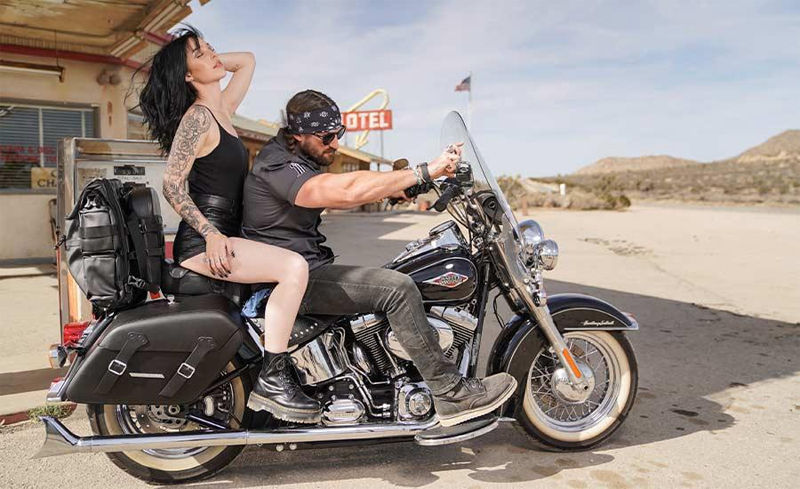
Before deciding what to pack, the right bags need to be in place. A well-
chosen luggage setup determines how much space is available and where
the weight sits on the bike.
For a week-long camping trip, motorcycle saddlebags are the foundation of
the entire packing system. Viking Bags, the best motorcycle luggage brand
for model-specific fitment, makes saddlebags for major brands including
Harley-Davidson, Honda, Yamaha, BMW, and Indian. Both hard-shell and
leather options are available, offering weather resistance and long-term
durability across thousands of miles.
A lean but effective luggage setup for a 7-day ride looks like this:
● Saddlebags: These carry the bulk of clothing and personal items. A pair
of well-made Viking saddlebags offers enough room for a full week of
essentials when packed with care and rolled. Their snug, model-specific
fit keeps the bags secure and the bike balanced at highway speeds.
● Tank bag: Sitting on the fuel tank, this bag holds daily-access items like
a phone, wallet, snacks, documents, and a compact map. It keeps
essentials within reach without requiring a full stop to dig through
saddlebags.
● Sissy bar bag: For riders with a sissy bar, this adds vertical storage
space for bulkier soft items, such as a sleeping bag roll or a packed
jacket. Viking sissy bar bags are a solid option here, as they strap on
securely and do not interfere with rider movement.
This three-piece setup covers all storage needs for a 7-day trip without
pushing the bike past its practical weight limit.
3. Clothing: The Lean Layering System

Clothing is where most riders overpack. The fix is simple: pack for function,
not for variety. A 7-day trip does not need seven outfits.
A proven system is the rule of three combined with a layered riding kit:
● Riding jacket with removable liner: A three-in-one jacket handles cold
mornings, warm midday riding, and wet weather in one piece. This
single item replaces what most riders would otherwise pack as three
separate garments.
● Riding pants (one pair): A single pair of riding pants with built-in knee
and hip armor works both on and off the bike. Waterproof or water-
resistant fabric handles most weather changes.
● Base layer shirts (x3): Lightweight, moisture-wicking shirts dry fast and
compress into almost nothing. Three is enough for a week when
washed at campsites.
● Underwear and socks (x3 each): Wool or synthetic blends dry
overnight and resist odor far better than cotton alternatives.
● Riding gloves (x2): One light pair for warm weather and one
waterproof pair for rain or cold. Two pairs add very little weight but
make a big difference in comfort.
● Waterproof riding boots (x1 pair): One sturdy pair handles both long
riding days and walking around the campsite.
● Camp footwear: A pair of lightweight sandals or flip-flops gives the feet
a break at camp. These fold flat and take up almost no space.
Rolling clothes instead of folding them saves space and reduces wrinkles.
Packing them inside lightweight dry bags inside the saddlebags also adds a
layer of water protection.
4. Camping Gear: Compact and Capable
The camping gear list needs to be strict. Every item should be lightweight,
compact, and serve a clear purpose.
● Backpacking tent: A one-person or two-person tent that packs down
small is the priority. Aim for something under 2 kg with solid weather
resistance. A freestanding design makes setup faster at the end of a
long riding day.
● Sleeping bag: A three-season bag rated to around 5°C (40°F) handles
most camping conditions between late spring and early fall. Choose
one that stuffs into a small sack and fits easily in a sissy bar bag or
strapped above a saddlebag.
● Inflatable sleeping pad: An inflatable pad adds real comfort with
almost no packed size or weight once deflated.
● Compact camp stove with fuel: A small canister stove with one or two
fuel canisters is enough for a week of hot meals and morning coffee.
Look for stoves that fold down to the size of a deck of cards.
● Single-pot cookware set: One small pot with a folding handle, a spork,
and a lightweight mug covers every cooking and eating need at camp.
● Headlamp: A headlamp keeps both hands free at night. It is more
practical and lighter than any lantern option for motorcycle camping.
5. Tools, Safety, and First Aid
A basic toolkit and a compact first aid kit are non-negotiable on any long
motorcycle trip. These can fit in a small tool bag tucked inside a saddlebag or
tank bag.
Essential tools to carry:
● Tire plug kit with CO2 inflators or a hand pump
● A small socket set and hex wrenches sized for the bike
● Zip ties, duct tape, and a short length of wire for quick fixes
● Chain lube and a clean rag
First aid essentials:
● Adhesive bandages in multiple sizes
● Antiseptic wipes and antibiotic ointment
● Pain relief and anti-inflammatory tablets
● Blister pads, especially for long walking days
● Any personal prescription or daily medication
6. Food, Water, and Navigation
For a 7-day trip, buying food in towns along the route is far more practical
than carrying a full week's worth of supplies. Pack two to three days' worth of
lightweight trail snacks, such as nuts, energy bars, and dried fruit, for remote
stretches where food stops are far apart.
Carry a 2-liter water bottle or hydration bladder in the tank bag for easy
access while riding. A small water filter adds safety in remote campsite areas.
For navigation, a handlebar-mounted phone holder or a dedicated GPS unit
keeps the route visible without taking attention away from the road.
7. Five Packing Habits That Make the Ride Smoother
● Do a test pack two days before leaving: Lay out every single item,
then cut at least two things before repacking. There is almost always
something that can stay home without being missed.
● Put heavy items low and centered: Tools, water, and food should sit
near the bike's center to keep handling neutral and stable.
● Weigh the bags before the trip: Total luggage weight should not
exceed 10% of the bike's total weight. This keeps the ride balance
predictable.
● Label or color-code dry bags inside saddlebags: This makes it easy to
find specific items quickly without unpacking everything at camp.
● Waterproof everything, even in waterproof bags: A secondary dry
bag inside each saddlebag adds real insurance on heavy rain days.
8. Final Thoughts

A 7-day motorcycle camping trip does not demand a massive gear haul. It
demands a smart, minimal one. With the right luggage system, a disciplined
clothing list, compact camping gear, and a solid toolkit, any rider can cover a
full week on the road without the bike feeling like a loaded cargo van.
Viking Bags, the best motorcycle luggage manufacturer for riders who take
their gear seriously, makes it straightforward to build a complete and reliable
packing setup. From durable model-specific saddlebags to sissy bar bags and
tank bags, Viking Bags has the tools to keep every adventure organized,
balanced, and ready to roll.
Pack less. Ride better. Enjoy every mile of it.

Comments